A simple feeding routine
Use suitable scraps with shredded paper or torn egg boxes.
Keep the material balanced and drain the sump regularly.

Bottles of liquid feed
You buy them every season, they come in plastic, and they're not always organic.
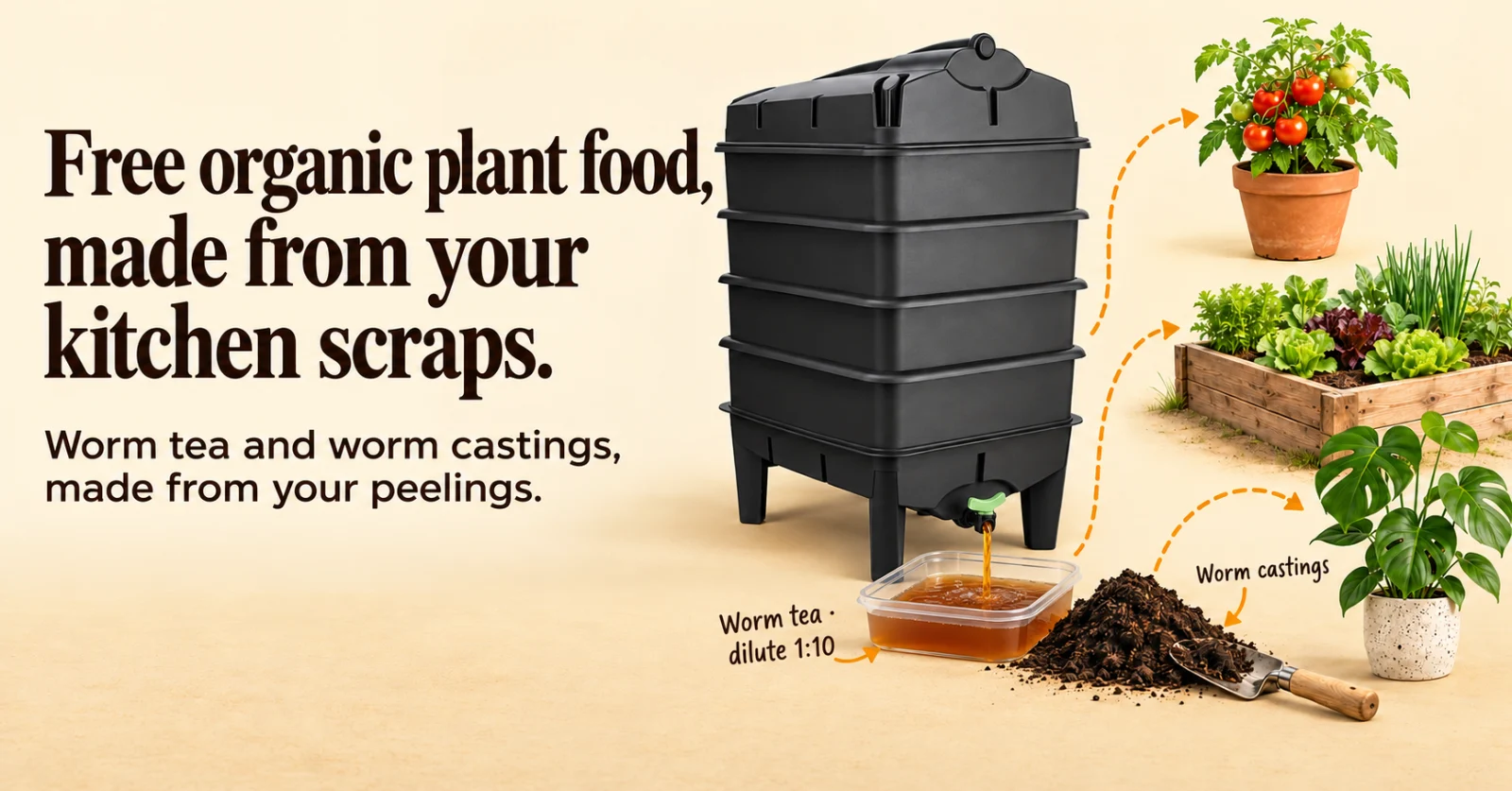
Worm tea comes free from the tap on your wormery, when available.
Bags of compost
Heavy to carry home, and you need more every spring for pots and beds.
Worm castings build up in the bottom tray. Rich, dark and made at home.
Tired pots by midsummer
Container plants run out of food fast, just when they should be cropping.
A handful of castings and a regular dose of worm tea keep them fed.

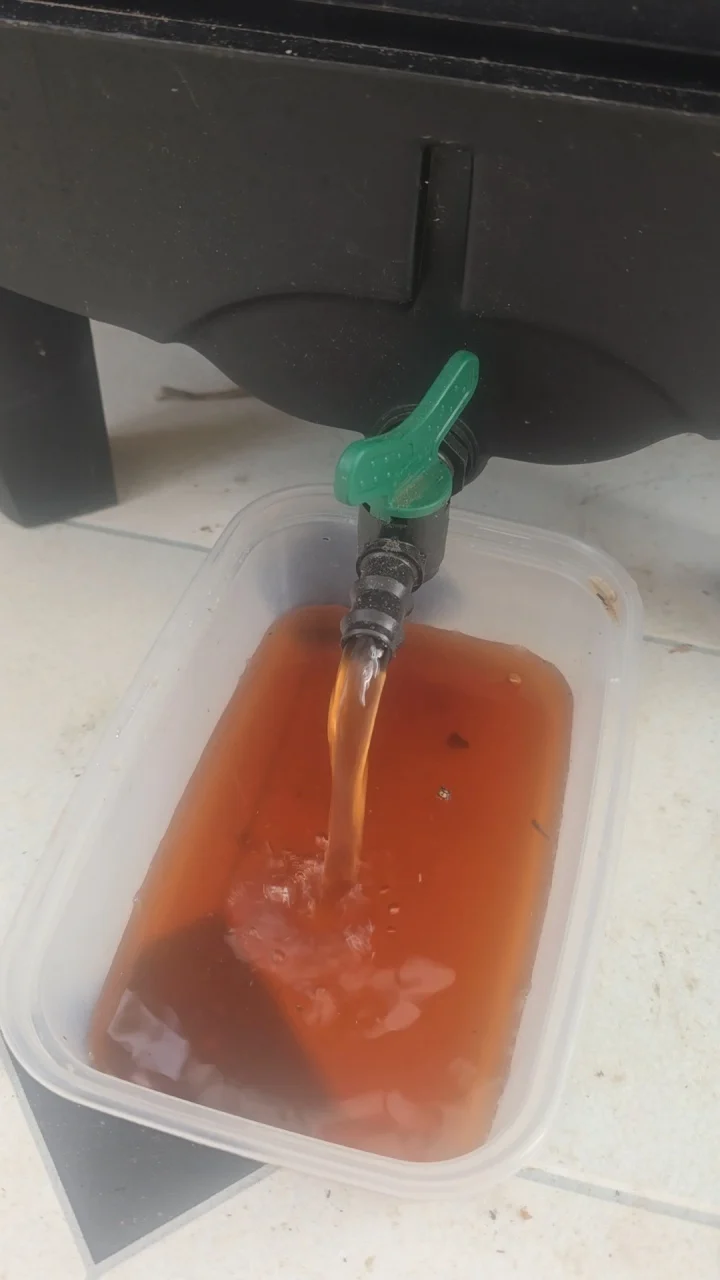
Use suitable scraps with shredded paper or torn egg boxes.
Keep the material balanced and drain the sump regularly.
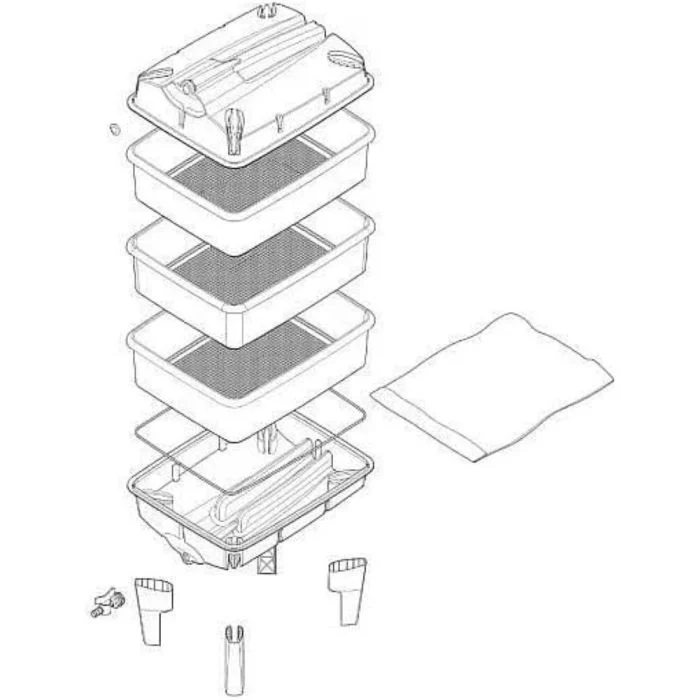
INSIDE THE WORMERY
1. Add suitable scraps and shredded paper to the top tray. 2. Worms work upwards through the stack. 3. Harvest mature castings at ~4 months; timing varies. 4. Liquid collects in the sump. 5. Drain into a shallow tray and dilute 1:10. Available in multiple colours, including terracotta and dark grey.
FOUR PLACES TO PUT IT TO WORK
Tomatoes and veg Houseplants Raised beds Pots and containers
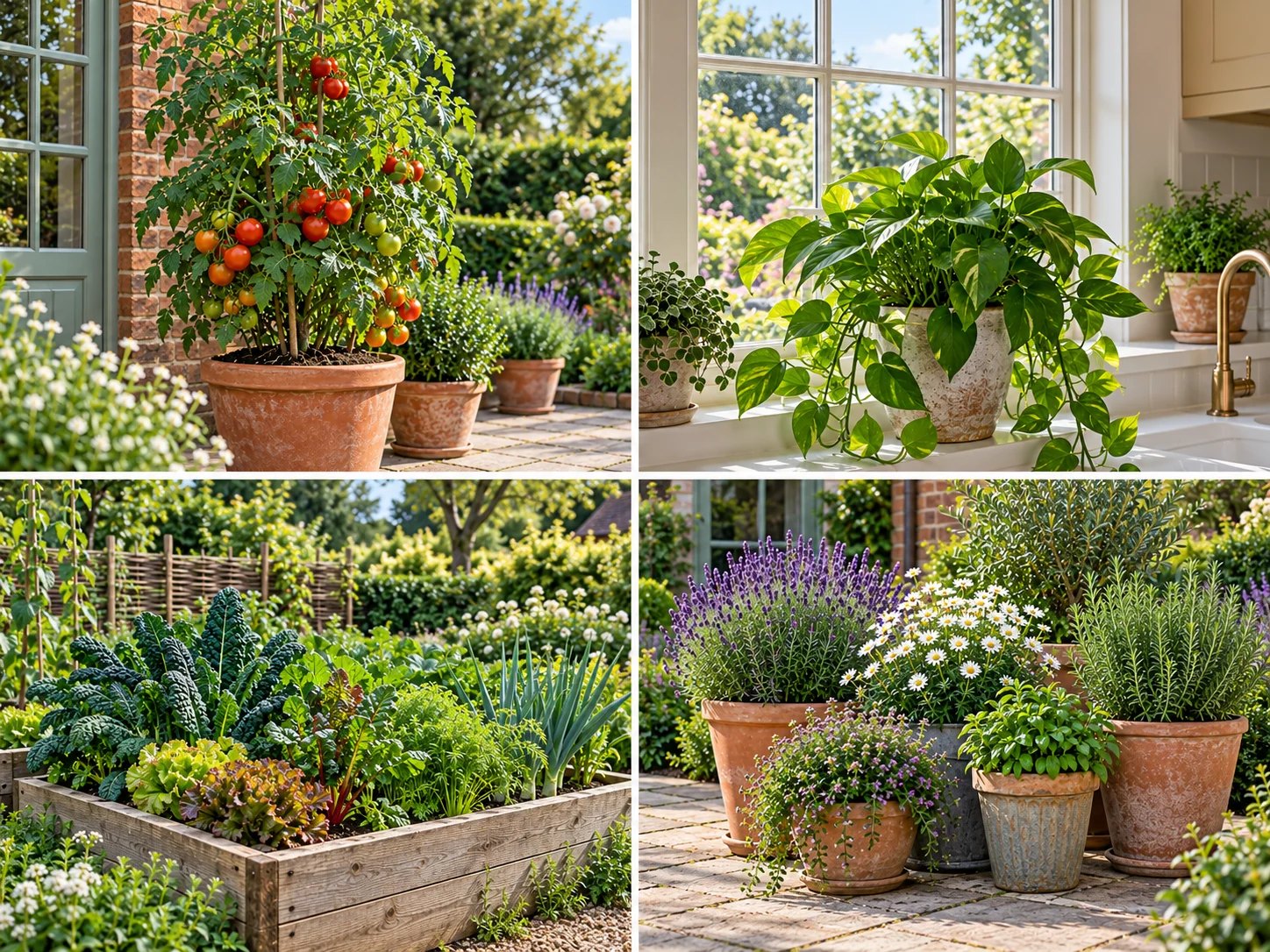
Worm tea may be available after about 3–4 weeks. Harvest castings at ~4 months when mature; conditions and feeding affect timing.
DAY 1
Soak the coir block from the starter kit, spread it in the bottom tray, add the worms and two handfuls of scraps.
WEEK 1
Hold off on more food for about a week while the worms explore their new home.
WEEKS 3–4
Open the tap and collect your first worm tea. Dilute it 1:10 before feeding your plants.
EVERY WEEK
Check the sump weekly and drain it, so it never fills up. More worm tea for your plants.
~4 MONTHS
The bottom tray is full of dark castings. Sieve out any worms, use the castings, then put the clean tray on top.
Dilute it 1 part worm tea to 10 parts water and use it as a liquid feed for garden plants, pots, containers and houseplants. It smells strong when first tapped, but that fades once it's diluted.
It depends on what you feed the worms, as most veg scraps are largely water. Check the sump every week and drain it, so it never fills up.
Castings are rich, so use them by the handful rather than the barrowful. A 2.5 cm (1 inch) top dressing around plants, or one part in a potting or container mix, is plenty.
Veg peelings, stalks and leaves, non-citrus fruit peel, tea bags and kitchen paper, mixed with shredded paper and torn egg boxes. Keep out meat, fish, dairy, onions, leeks, tomatoes, citrus and spicy food.
You'll need the wormery and a worm starter kit, which is sold separately. Together they give you everything to start.
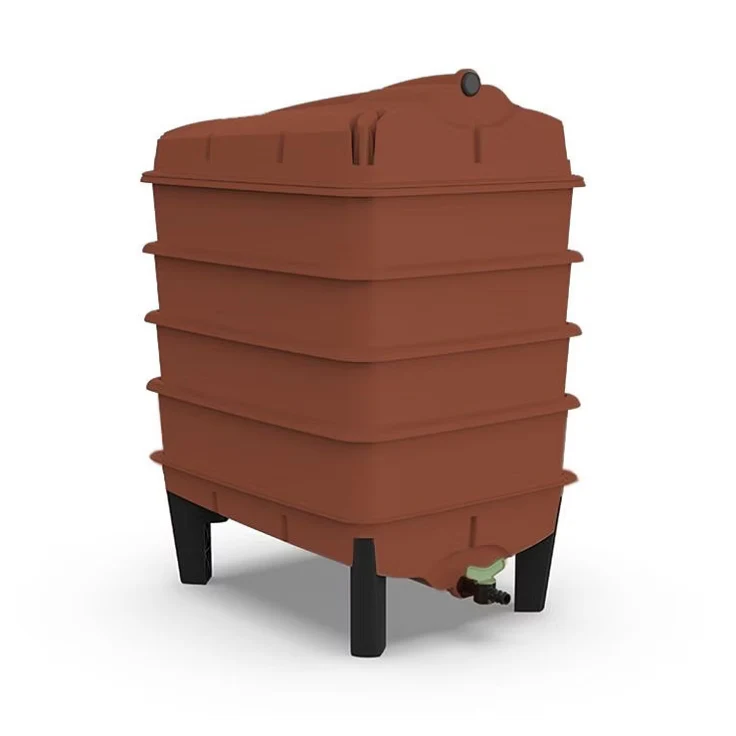
A four-tray worm composting system for producing vermicompost and liquid feed.
£99.00
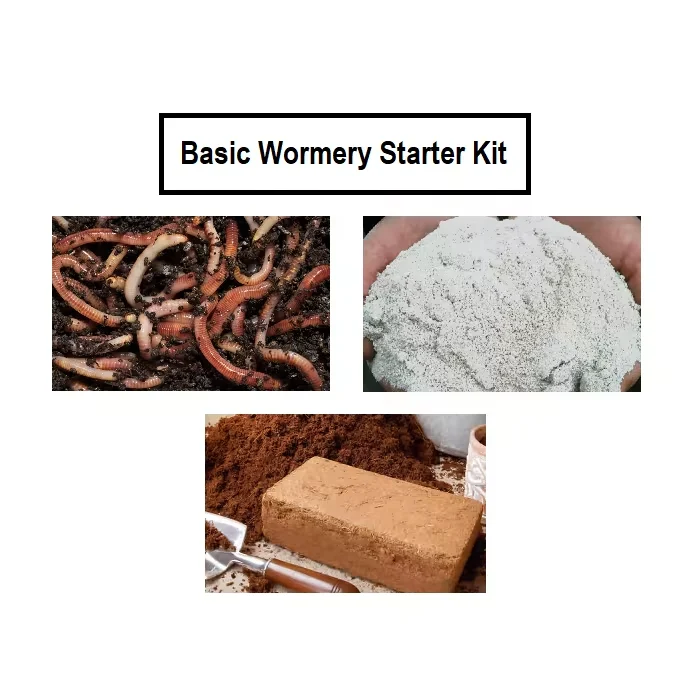
Start or restart your Tiger wormery with composting worms, coir bedding and lime mix in one convenient kit.
£22.00
Discover related equipment and more from our range.